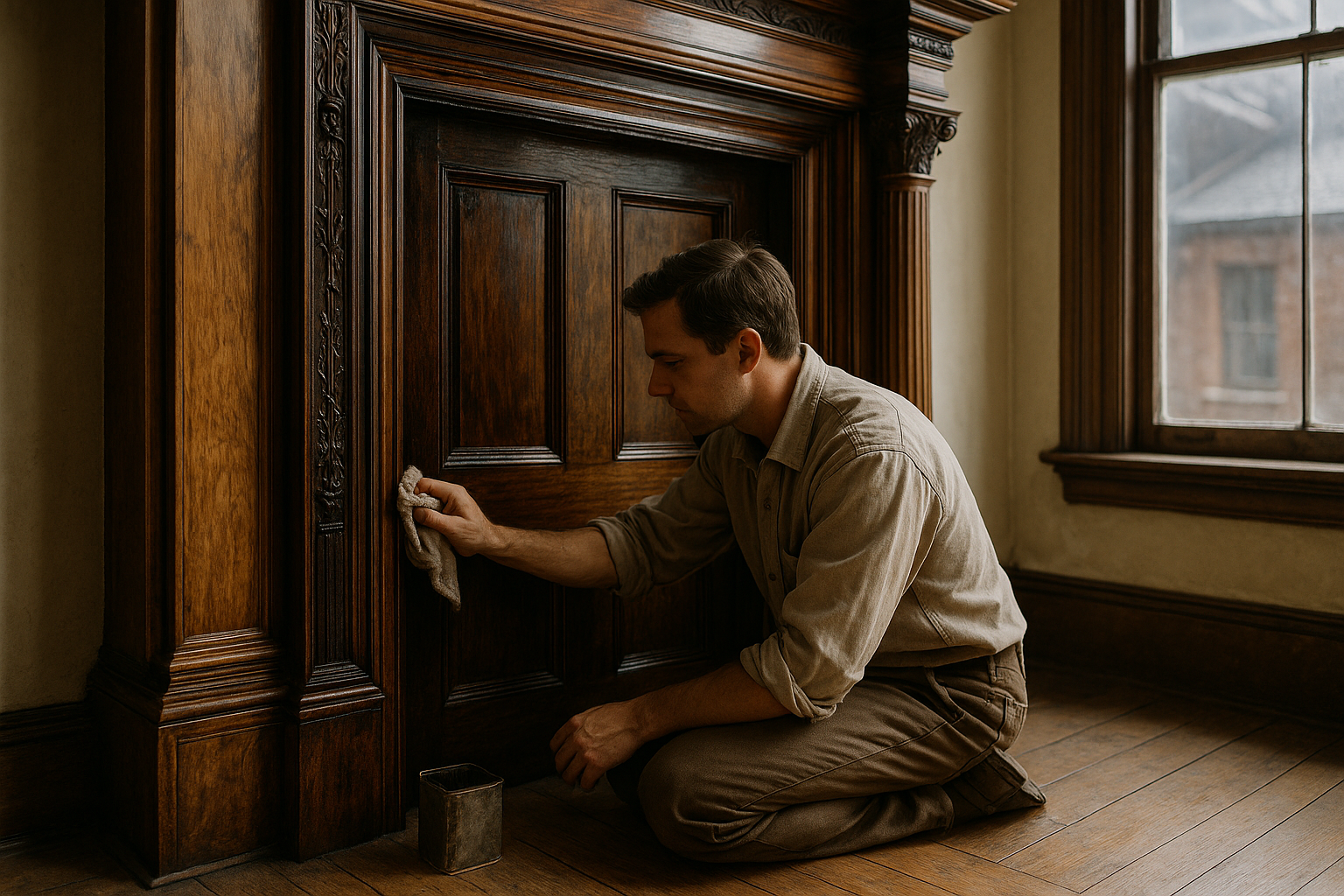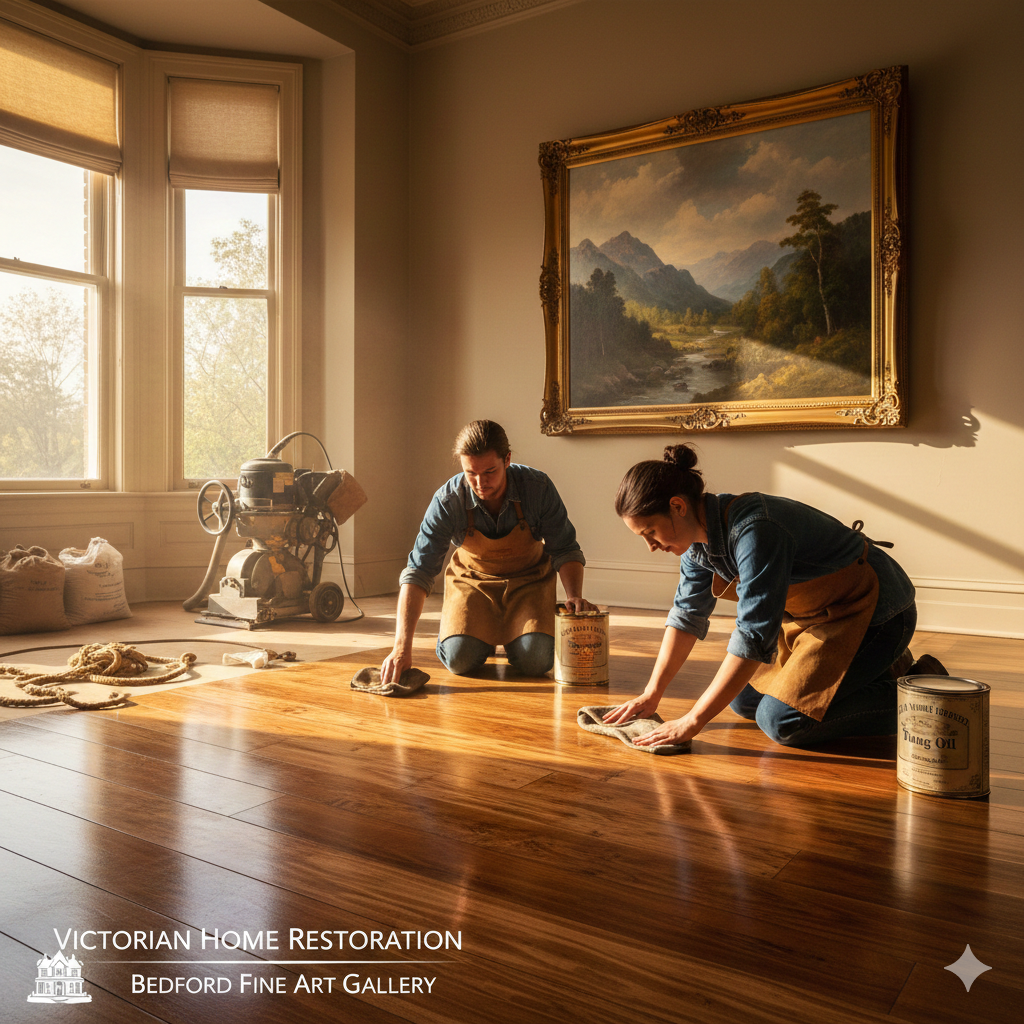
A certain magic happens when you peel back decades of linoleum or shag carpet to reveal the "bones" of a Victorian home. More often, you’re greeted by the tight grain of Antique Heart Pine or the resilience of Quarter-Sawn Oak.
These floors aren't just surfaces; they are the foundation of a home’s soul. Restoring them to their former glory requires a balance of grit and grace.
1. Identifying Your Foundation: Pine vs. Oak
Before using sanders, you need to know what you’re standing on.
- Heart Pine: Common in Victorian kitchens and secondary rooms, this wood is prized for its deep amber hues and hardness. Because it's harvested from the center of ancient longleaf pines, it’s more durable than modern pine.
- Quarter-Sawn Oak: The gold standard for Victorian parlors and entryways. Look for the "flake" or "tiger stripe" grain patterns. It was chosen by 19th-century builders for its stability and ability to take a dark, lustrous stain.
2. The Restoration Process: Respecting the Patina
The goal isn’t to make a 130-year-old floor look like plastic laminate from a big-box store; it’s to restore original Victorian woodwork. The goal is revitalization.
- Gentle Sanding: Use a drum sander sparingly. Victorian floorboards have a limited "wear layer" above the tongue and groove. Sand too deep, and you lose the floor entirely.
- Filling the Gaps: Seasonal expansion is normal. Avoid hard wood fillers that will pop out in six months. Instead, consider using natural fiber rope or shimming with slivers of matching old-growth wood.
- The Finish: To achieve an authentic Victorian glow, we recommend oil-based finishes or tung oils. They penetrate the grain and age beautifully, unlike high-gloss polyurethanes that can look "plasticky."
Design Tip: A perfectly restored floor is a canvas. In the Victorian era, the floor was designed to complement the treasures resting upon it—specifically, the art on the walls.
3. Elevating the Room: From the Floor Up
Once your Heart Pine is glowing and your Oak is polished, the room can still feel "bottom-heavy" if the walls are bare. To honor the craftsmanship of your restoration, your decor should match the era’s pedigree, including restoring woodwork and trim.
The warm undertones of a restored Pine floor are the visual anchor for 19th-century oil paintings. This is where the structural meets the spiritual.
Featured Curation: Bedford Fine Art Gallery
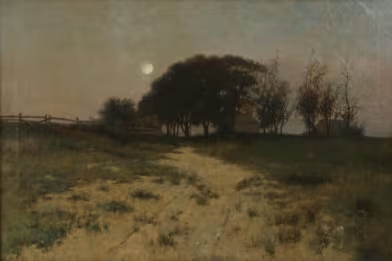
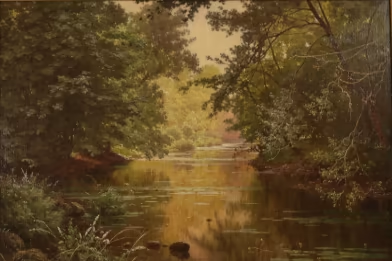
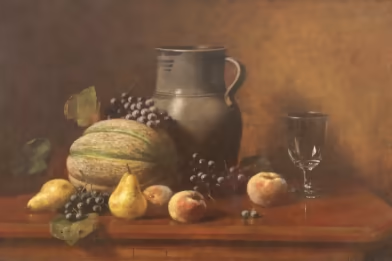
To complete your restoration, we recommend exploring the collection at Bedford Fine Art Gallery. Their expertise in Victorian-era works, from lush landscapes to intimate still lifes, provides the finished look a high-end restoration deserves.
- Landscape Works: Gold-leaf frames and Hudson River School-style vistas offer a window into the natural world Victorian homeowners adored.
- Genre Scenes: These paintings capture daily life of the era, echoing the history you’ve uncovered in your floorboards.
Viewing a masterpiece against the backdrop of original, grain-matched Oak isn't just decorating; it is stewardship.
Ready to bring your Victorian history back to life?
Whether you are in the middle of a dusty restoration or looking for the final, museum-quality piece of art to hang in your hallway, we are here to help with restoring Victorian houses.