Dealing with Moisture: Rot and Foundation Issues in Victorian Houses
Victorian houses are admired for their ornate detailing, tall windows, and timeless charm. However, these properties often come with hidden vulnerabilities—especially when it comes to moisture, rot, and foundation problems. If you own a Victorian home or are considering purchasing one, understanding how moisture affects these historic buildings is essential for preserving both their beauty and structural integrity.
Why Victorian Houses Are Especially Prone to Moisture Problems
Victorian homes were built with construction methods and materials that differ significantly from modern standards. These differences can make them more susceptible to moisture infiltration. Key factors include:
1. Solid Wall Construction
Many Victorian houses lack cavity walls, meaning moisture that penetrates from outside has nowhere to dissipate.
2. Aging Timber
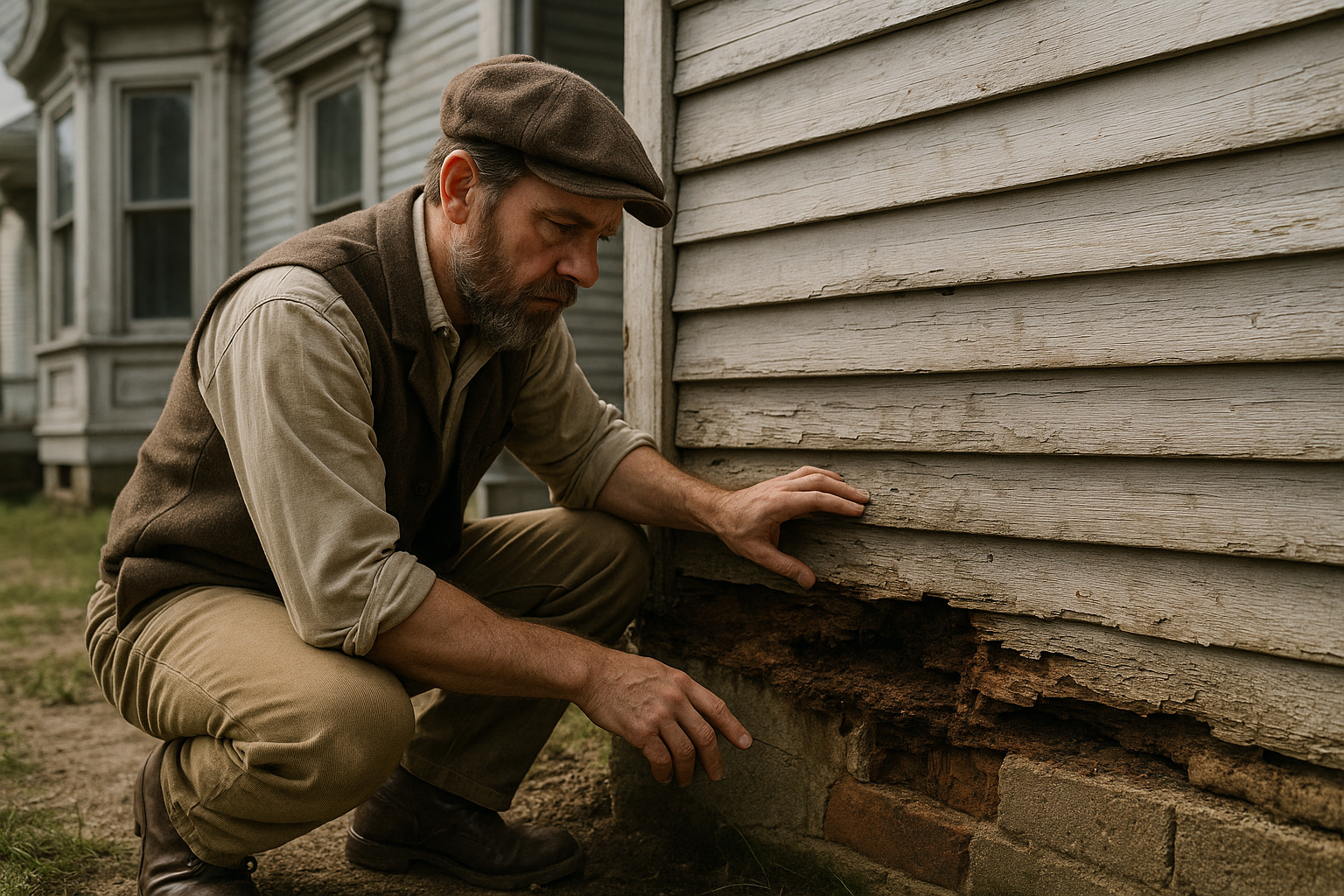
Timber used in floors, joists, and roof structures can deteriorate over time, especially when exposed to prolonged dampness.
3. Poor Ventilation
Older designs often restrict airflow in crawl spaces, basements, and attics, which encourages condensation and wood decay.
4. Outdated Drainage Systems
Victorian drainage and guttering may be undersized or deteriorated, increasing the risk of water pooling near foundations.
Common Moisture-Related Issues in Victorian Homes
Rising Damp
Rising damp occurs when groundwater travels up through porous walls. Victorian-era damp-proof courses, if present at all, often fail over time. Symptoms include:
- Peeling paint or wallpaper
- Powdery white salts on walls
- Musty smells
Penetrating Damp
Cracked render, deteriorated brickwork, and faulty gutters allow rain to seep directly into walls. This is especially problematic on weather-facing elevations.
Dry Rot & Wet Rot
Timber decay is one of the most serious consequences of moisture in Victorian houses.
- Dry rot thrives in poorly ventilated, slightly damp environments and can spread rapidly through timber, plaster, and masonry.
- Wet rot occurs when timber remains consistently wet, weakening structural elements such as joists and roof timbers.
Foundation Movement
Water accumulating around the base of a Victorian home can cause:
- Soil expansion (in clay-heavy areas)
- Subsidence
- Cracking in walls and floors
- Misaligned doors and windows
These issues can escalate quickly and require professional assessment, including foundation repair techniques.
How to Identify Moisture Problems Early
Early detection can save thousands in repairs. Signs to watch for include:
- Musty odors in basements, cellars, or underfloor areas
- Uneven or bouncy floorboards
- Visible mold growth
- Localized wall damp patches
- Cracked exterior mortar joints
- Water pooling near the home’s perimeter
Consider regular inspections using moisture meters or engaging a specialist in historic property surveys, and look into energy-efficiency upgrades to enhance your home's performance.
Effective Ways to Manage Moisture in a Victorian House
1. Improve Drainage and Guttering
Ensure gutters, downpipes, and drains are clear and functional. Redirect water away from the house using proper grading and drainage channels.
2. Repair Masonry and External Walls
Repoint brickwork with an appropriate breathable mortar, and consider restoring walls and ceilings to maintain the home's integrity. Victorian houses often require lime-based materials—not modern cement—to allow moisture to escape.
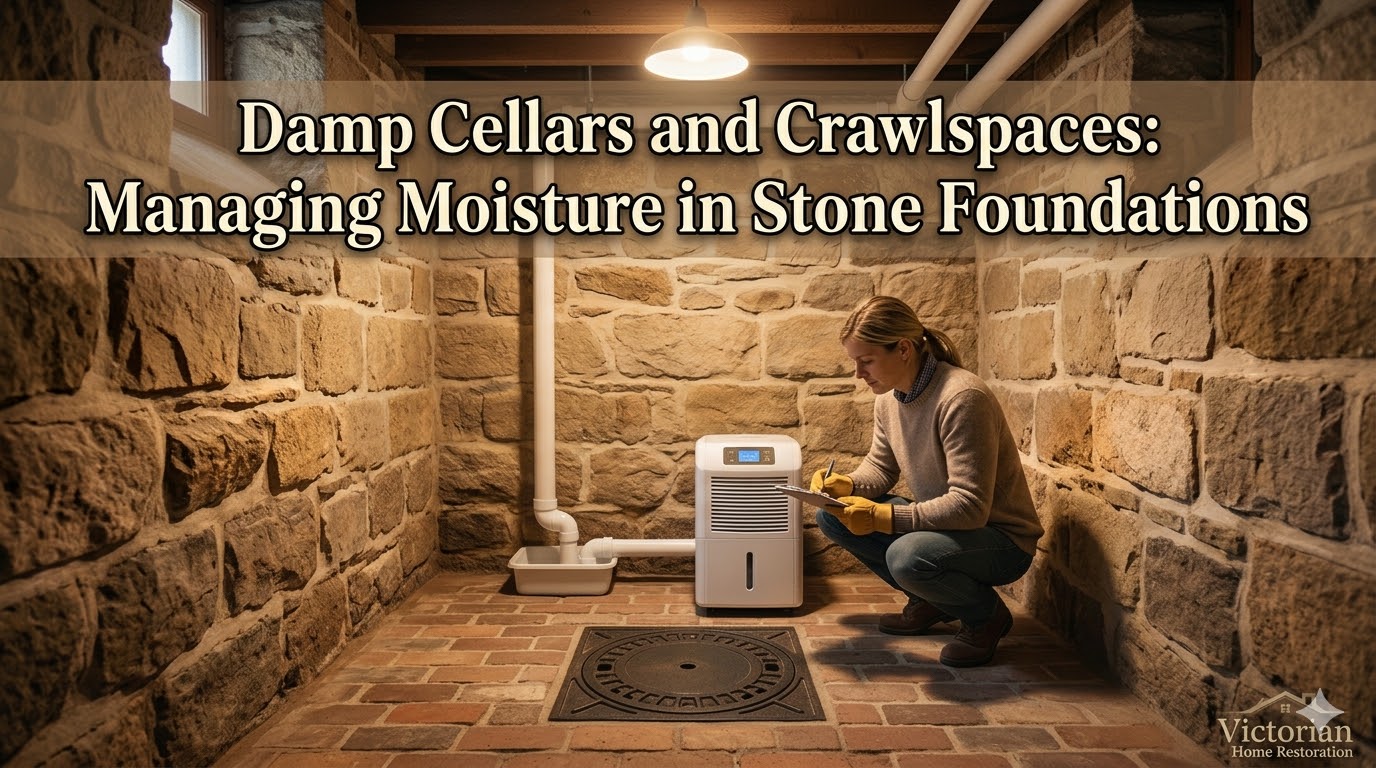
3. Ventilate Crawl Spaces and Basements
Install or restore air bricks, add mechanical ventilation if necessary, and keep underfloor spaces free from debris.
4. Address Damp-Proof Course Issues
A failed DPC can often be repaired using chemical injections or physical membrane installation, depending on the building’s condition.
5. Treat Timber Rot Promptly
Rotten wood should be removed and replaced, and the source of moisture must be corrected. Professional treatment may include fungicidal applications and improved airflow.
6. Monitor Foundation Stability
If cracks or movement are suspected, consult a structural engineer. Solutions may involve underpinning, drainage correction, or soil stabilization.
Preserving Your Victorian Home for the Future
Victorian properties are worth the effort—they offer character and craftsmanship rarely found in modern buildings. With proper moisture management, regular inspections, and timely repairs, you can protect your home from rot and structural damage while retaining its historic charm, especially when restoring your Victorian house.
By understanding the unique vulnerabilities of Victorian construction and taking proactive measures, homeowners can ensure their property remains solid, dry, and beautiful for generations to come.