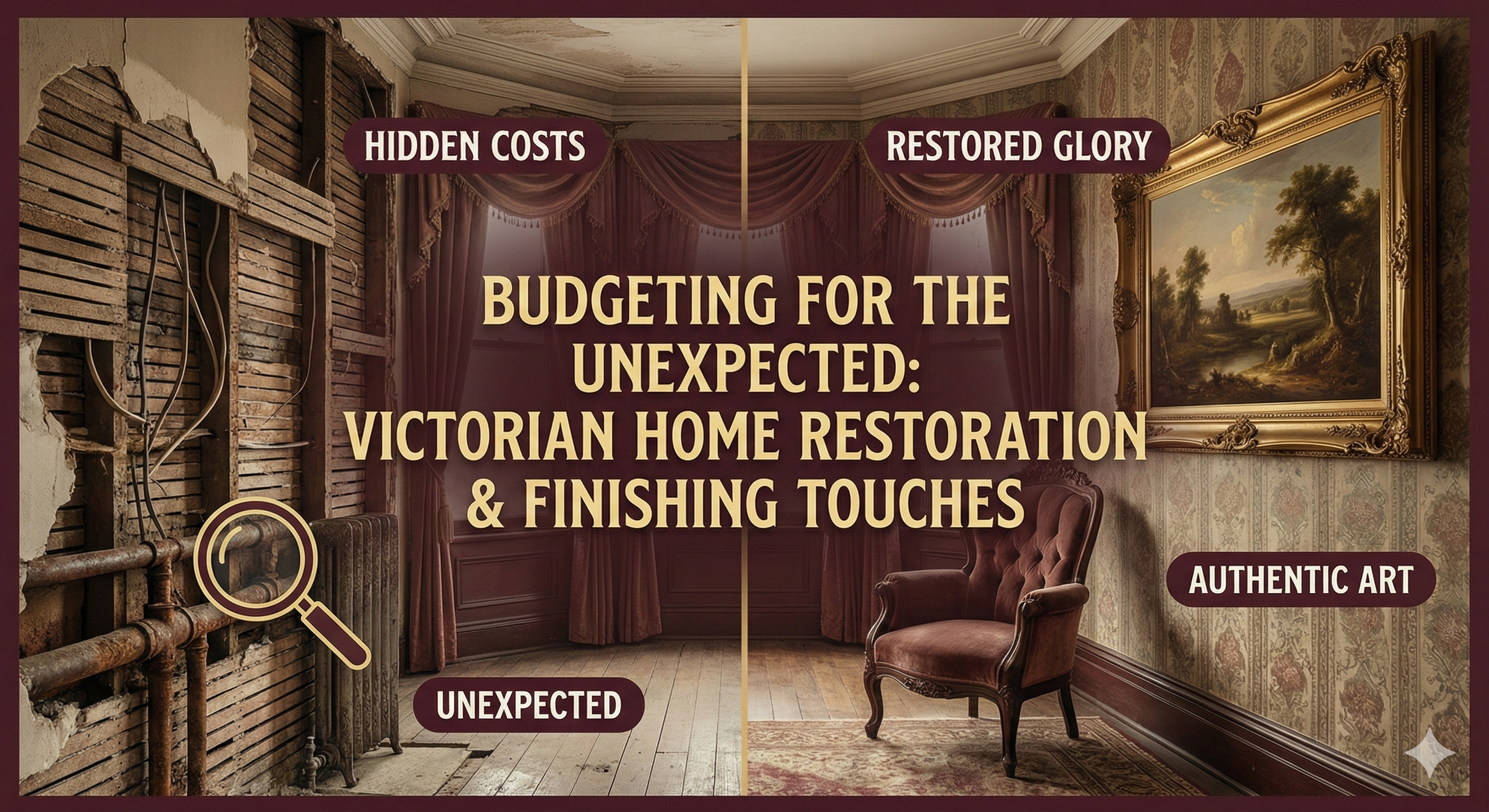
Purchasing a Victorian home often inspires a unique sense of romance. Buyers are drawn to features such as wrap-around porches, high ceilings, intricate crown molding, and the historical character present throughout the house. The potential and promise of restoration are clear.
However, challenges quickly arise once the inspection report arrives or demolition begins.
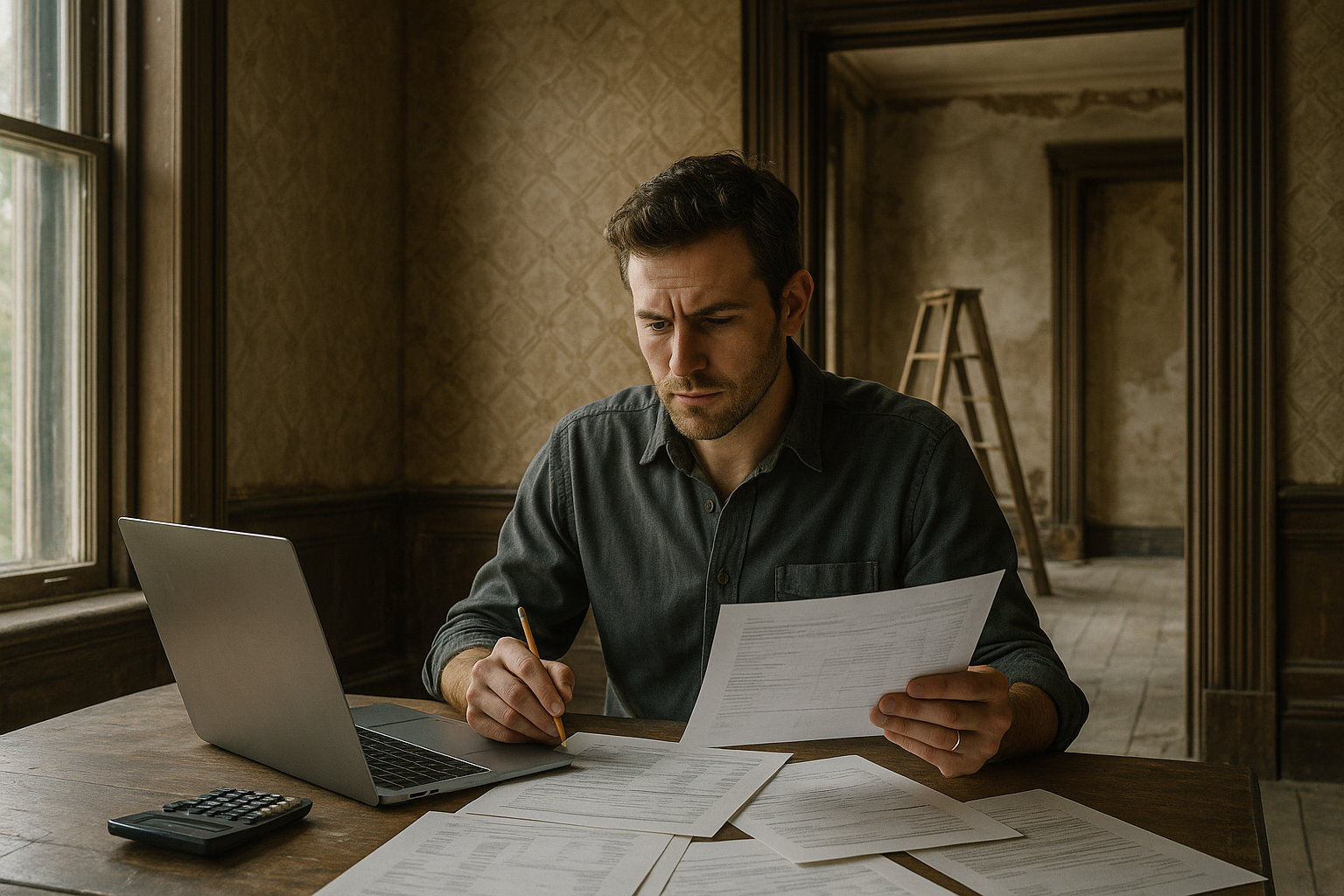
Restoring a 19th-century home can be highly rewarding, but the process is rarely straightforward; knowing when to call a professional is crucial. Unlike new construction, where costs are predictable, Victorian homes often conceal unexpected issues. Removing a layer of 1890s wallpaper may reveal decades of repairs, outdated systems, and deferred maintenance.
If you are planning to restore a Victorian home, you need more than a budget; you need a strategy for unexpected expenses. The following guidance will help you prepare for the hidden costs of restoration.
The "Iceberg Principle" of Renovation estimates
The initial contractor estimate for a Victorian restoration is almost always inaccurate.
This is not due to contractor dishonesty, but rather the limitations of assessing hidden conditions. Estimates rely on visible factors, and in homes built in 1885, these assumptions are often disproven once work begins.
Victorian homes predate modern building codes and use outdated materials and techniques. Addressing one system often impacts several others.
The Usual Suspects: Where the Money Hides
Although each historic home is unique, most significant expenses fall into several common categories.
1. The Invisible Systems: Electrical and Plumbing
These systems often require the largest investments. If your walls have not been updated in decades, significant work may be necessary.
- Knob-and-Tube Wiring: Common in homes built before the 1940s, this ungrounded system poses a fire risk and is often uninsurable. Replacement requires running new wiring through plaster walls throughout the house.
- Galvanized or Lead Pipes: Iron pipes corrode internally, reducing water pressure and eventually failing. Lead pipes present significant health risks. Replacing all pipes is a major project.
It can be frustrating to invest substantial amounts, such as $25,000, in these updates, only to see no visible change in the home's appearance.
2. Environmental Hazards
Health and safety regulations were minimal in the 19th century.
- Lead Paint and Asbestos: Before sanding or demolition, testing for these hazards is essential. Abatement requires certified professionals and containment measures, which add time and cost to the project.
3. Structural Surprises
Victorian balloon framing can conceal significant rot, particularly around sills and in basements where moisture has accumulated over time. Older chimneys may also require costly re-lining to meet modern safety standards.
The Golden Rule: The 30% Contingency
In a standard modern renovation, a 10% to 15% contingency fund is recommended for overages.
For Victorian restorations, a standard contingency is insufficient. A minimum contingency fund of 25% to 30% is recommended.
If your renovation budget is $100,000, ensure you have access to $130,000. Unused funds can be reserved for future projects. If unexpected issues such as knob-and-tube wiring are discovered, the contingency fund will prevent delays.
The Reward: Moving from Survival to Aesthetics
At a certain stage in every Victorian restoration, the most challenging work is complete. The wiring is safe, the plumbing is functional, the foundation is stable, and the plaster is repaired. Much of the investment is in elements that are not immediately visible.
At this point, it is important to see tangible results—something beautiful that reflects the effort invested and restores the home's historical character.
This phase marks the transition from renovation to true restoration. The focus shifts to curating the space to reflect 19th-century elegance. Preserving original features, such as hardwood floors, maintains the home's authenticity and is essential for preserving original features.
Authenticity is essential when selecting finishing touches. Generic, mass-produced decor can undermine the character of a carefully restored Queen Anne parlor.
The Final Layer: Authentic 19th-Century Art
To capture the home's original spirit, consider how the first owners would have decorated. Victorians favored art, including landscapes, still lifes, and portraits.
Resources such as Bedford Fine Art Gallery can be valuable partners in your restoration process.
Bedford Fine Art Gallery specializes in 19th- and early 20th-century American, British, and European paintings, offering pieces appropriate for period homes. Installing an original oil painting from the 1880s above a restored mantelpiece enhances historical authenticity.
A pastoral landscape by a Hudson River School artist displayed in your library creates a cohesive historical atmosphere. Investing in period-appropriate fine art is a fitting reward for completing the challenging phases of restoration and serves as a focal point that tells the home's story, making it a true journey back in time.
The Long Game
Restoring a Victorian home is a long-term commitment that requires patience, adaptability, and financial flexibility.
By budgeting realistically for unforeseen issues, you can manage unexpected challenges without jeopardizing the project. Allocating funds for authentic finishing touches, such as period pieces from Bedford Fine Art Gallery, ensures your efforts result in a home that is both structurally sound and rich in historical character.