Preserving Original Victorian Architectural Features: What to Keep and What to Replace
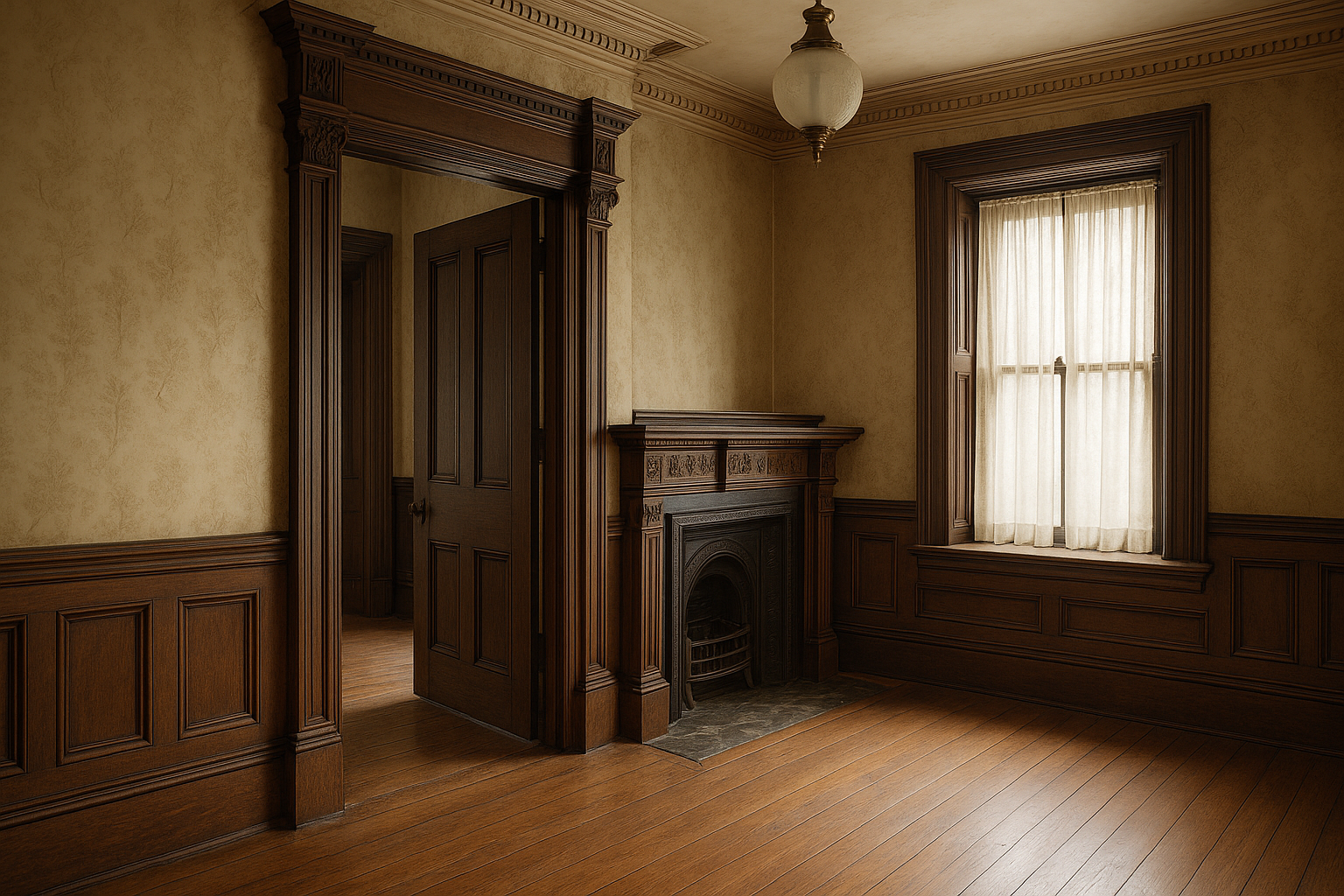
Victorian homes are beloved for their charm, craftsmanship, and ornate architectural details. Whether you’re restoring a recently purchased period property or refreshing a long-owned family home, knowing which original elements to preserve—and which to replace—can help you maintain authenticity while improving comfort and functionality. This guide highlights essential Victorian features to keep, upgrade, or carefully modernize so your home retains both its beauty and value.
Why Victorian Architectural Preservation Matters
Victorian houses (built roughly between 1837–1901) were designed with remarkable artistry, hand-tooled materials, and construction techniques seldom seen today. Preserving these features not only maintains historical integrity but also increases property value, reduces waste, and enhances curb appeal. When thoughtfully restored, Victorian homes remain some of the most desirable properties on the market.
Victorian Features Worth Preserving
1. Original Mouldings and Trim
High-baseboards, cornices, ceiling roses, picture rails, and elaborate window surrounds are hallmarks of Victorian design. These handcrafted features are expensive to replicate and significantly boost the character of your home.
Tip: Repair cracks or chips with wood filler rather than replacing entire sections.
2. Timber Flooring
Many Victorian homes feature solid pine or hardwood floorboards—materials of a quality and width rarely available today.
Keep it if: Boards are structurally sound and can be refinished.
Restore by: Sanding, re-staining, and sealing to revive the natural grain.
3. Fireplaces and Mantels
Victorian fireplace surrounds—often made from cast iron, marble, or carved wood—serve as stunning focal points.
Preserve: Decorative tiling, iron inserts, and original mantels.
Upgrade: The firebox or flue for modern safety and efficiency.
4. Sash Windows (Where Possible)
Timber sash windows define Victorian façades. With proper restoration, they can be made energy-efficient using draught-proofing and modern glazing options.
Keep: Frames that are structurally sound.
Consider: Secondary glazing before resorting to full replacement.
5. Stained Glass and Leadlight Windows
These stunning features are increasingly rare and highly valued.
Preserve: All original stained glass panels.
Repair: Cracks or bowing through a professional glass restorer.
Victorian Features You May Want to Replace or Upgrade
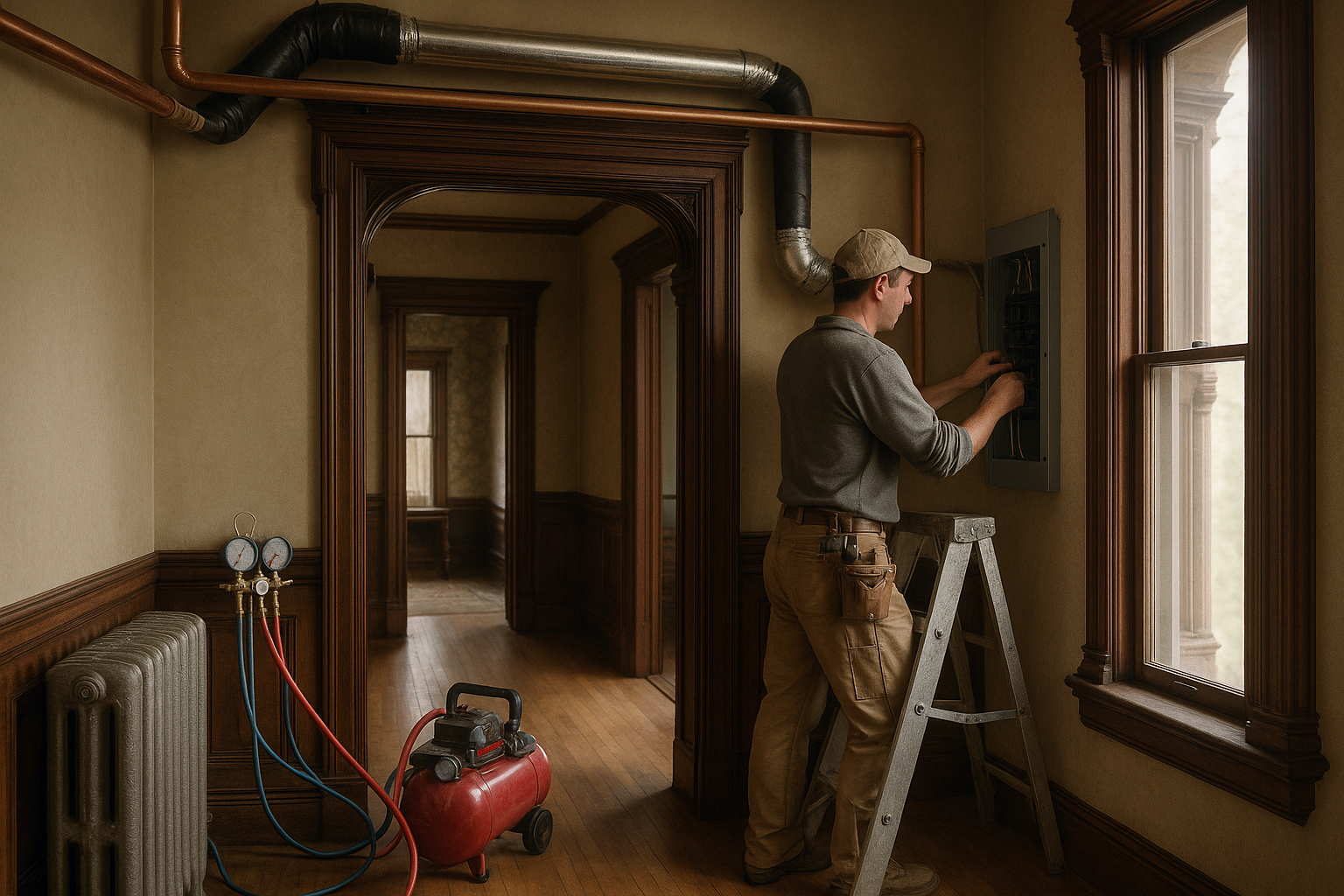
1. Electrical and Plumbing Systems
Original wiring, lead pipes, and outdated plumbing fixtures can pose safety hazards. Consider updating HVAC and plumbing for modern safety.
Replace: All old wiring, unsafe pipework, and worn fixtures.
Keep: Period-style switch plates or exposed brass piping for authenticity.
2. Roofing Materials
Many Victorian roofs used slate, clay tiles, or even asbestos-containing materials in later additions.
Replace: Any damaged or hazardous roofing.
Maintain visual authenticity: Choose modern materials that replicate the look of original slate or terracotta.
3. Damaged Timber or Rot-Prone Elements
Victorian bargeboards, verandah posts, and decorative timber fretwork often suffer from moisture damage.
Replace: Rotted or structurally unsound pieces.
Match original profiles: Using timber moulding specialists.
4. Inefficient Single Glazing
While original sash windows are worth saving, extremely deteriorated glazing might need replacing.
Choose: Slim double-glazed timber sash windows designed to match historic proportions.
5. Old Insulation
Many Victorian homes lack proper insulation or contain outdated materials.
Replace: Old insulation with modern, energy-efficient options.
Preserve: Decorative interior plasterwork during installation by using non-invasive methods.
Balancing Authenticity with Modern Living
Restoring a Victorian home doesn’t mean sacrificing comfort or performance. By maintaining the features that define its character and upgrading hidden systems, you can enjoy the best of old-world charm and modern efficiency.
To strike the right balance:
- Prioritize structural safety and comfort upgrades.
- Match replacement materials to original designs.
- Hire specialists experienced in heritage restoration.
- Document and photograph original details before work begins.
Final Thoughts
Victorian homes are architectural treasures worth preserving. By knowing what to keep—such as fireplaces, mouldings, stained glass, and sash windows—and what to replace—like outdated wiring, plumbing, and damaged roofing—you can protect the legacy of your property while tailoring it to meet contemporary needs.
Restoration is more than repair; it’s a celebration of history. To ensure a successful project, be aware of the mistakes to avoid. With thoughtful planning, your Victorian home can stand proudly for another century.