If you own a Victorian home, you already know that restoring it is a labor of love and a test of patience. When you’re staring at a wall with spider-web cracks, bowing sections, and crumbling corners, the temptation to take a sledgehammer to it can be overwhelming.
Contractors often take one look at your 130-year-old walls and say, "Let’s just gut it and hang drywall." It sounds appealing: it's fast, perfectly flat, and feels like a clean slate.
Before you bring out the demo crew, let’s talk about why you should think twice and consider how to approach restoring your Victorian house. At Victorian Restoration, we believe saving your original lath and plaster isn't just about being a purist; it’s about preserving original features of your historic home.
What Exactly Is Lath and Plaster?
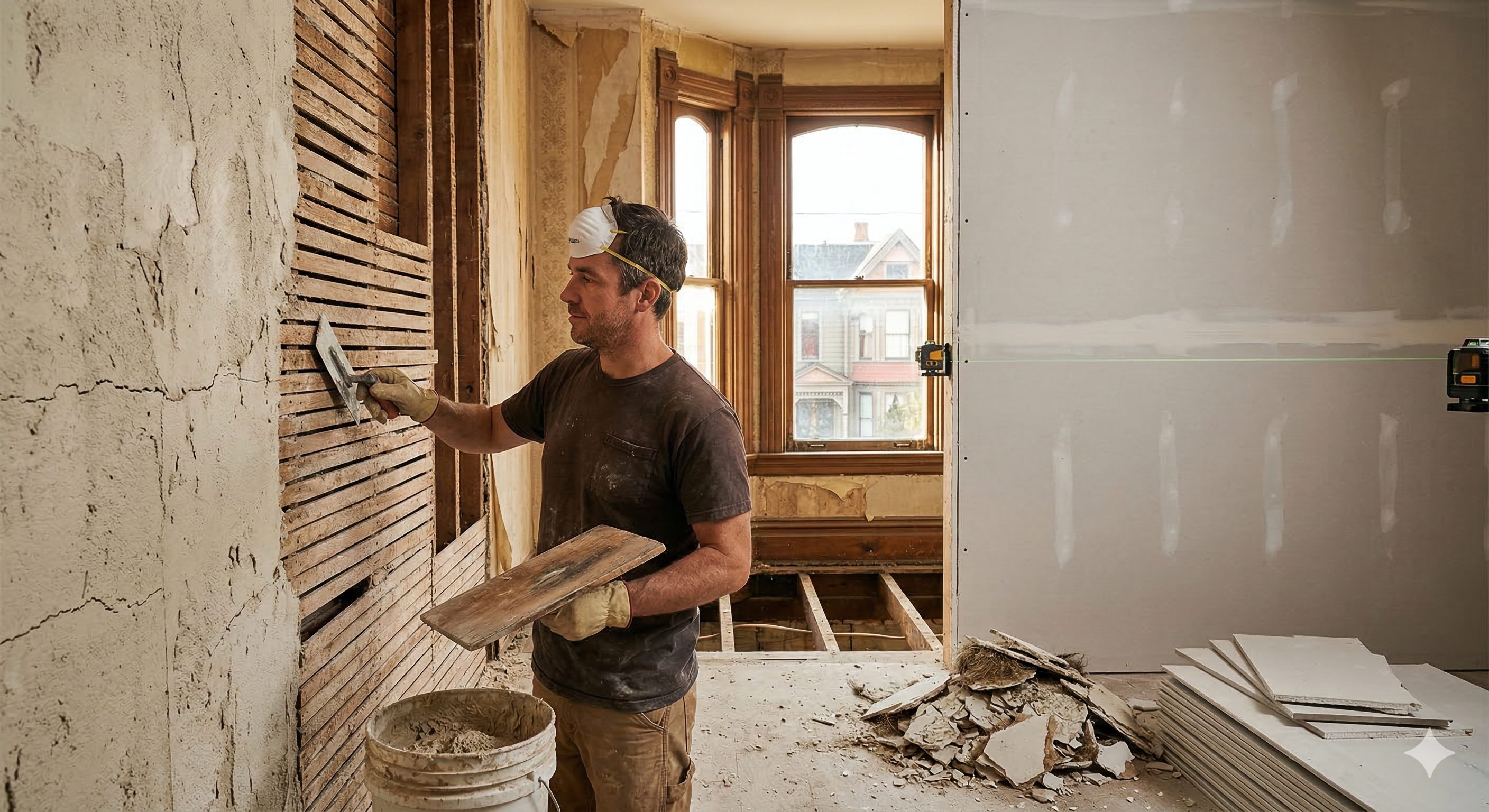
Before drywall became the industry standard after WWII, walls were built by hand. Builders nailed thin strips of wood (lath) horizontally across the wall studs. Then, a skilled plasterer applied wet plaster, often mixed with horsehair for binding, forcing it through the gaps in the lath.
This plaster slumped down behind the lath, drying into hard hooks called "keys." These keys locked the wall together. Usually, three coats were applied: the rough scratch coat, the brown coat to build thickness, and a smooth finish coat.
It was a skilled, labor-intensive process that produced walls fundamentally different from modern drywall.
The Problem with the "Gut and Drywall" Approach
We get it—drywall is cheap and easy to install. It makes running new electrical and plumbing a breeze. However, tearing out plaster is one of the messiest, most toxic jobs in an old house. The dust is fine, contains decades of coal soot, and often carries lead paint or asbestos.
More importantly, once the plaster is gone, you lose the distinct benefits that it provided your home for over a century.
Why Your Original Plaster is Superior to Drywall
Gutting a Victorian home strips away more than just history. Here is why your lath and plaster outperforms modern sheetrock:
1. Unmatched Soundproofing
Have you noticed how quiet the rooms in an untouched historic home feel compared to new builds? That is due to mass. Traditional three-coat plaster is much thicker and denser than a standard half-inch sheet of drywall. This density acts as a sound barrier, deadening noise between rooms and blocking out street traffic.
2. Superior Fire Resistance
Plaster is inherently fire-resistant. When exposed to fire, the chemical bonds in plaster slowly release water vapor, which helps suppress the spread of flames. While modern fire-code drywall exists, standard historic plaster often outperforms it, giving you critical time in an emergency.
3. Better Insulation and Thermal Mass
Because of its density, plaster acts as a thermal mass. It absorbs heat during the day and releases it at night, helping to stabilize the temperature inside your Victorian home. While you might still need modern insulation in the exterior cavities, the plaster itself plays a vital role in your home's climate control, and you can find tips on how to insulate without losing character.
4. Mold and Moisture Resistance
Unlike the paper backing on drywall, which attracts mold when wet, traditional lime-based plaster is naturally inhospitable to mold spores. While plaster can be damaged by sustained water leaks, it will dry out and survive far better than drywall, which crumbles and rots when soaked.
5. The Aesthetic and Historic Character
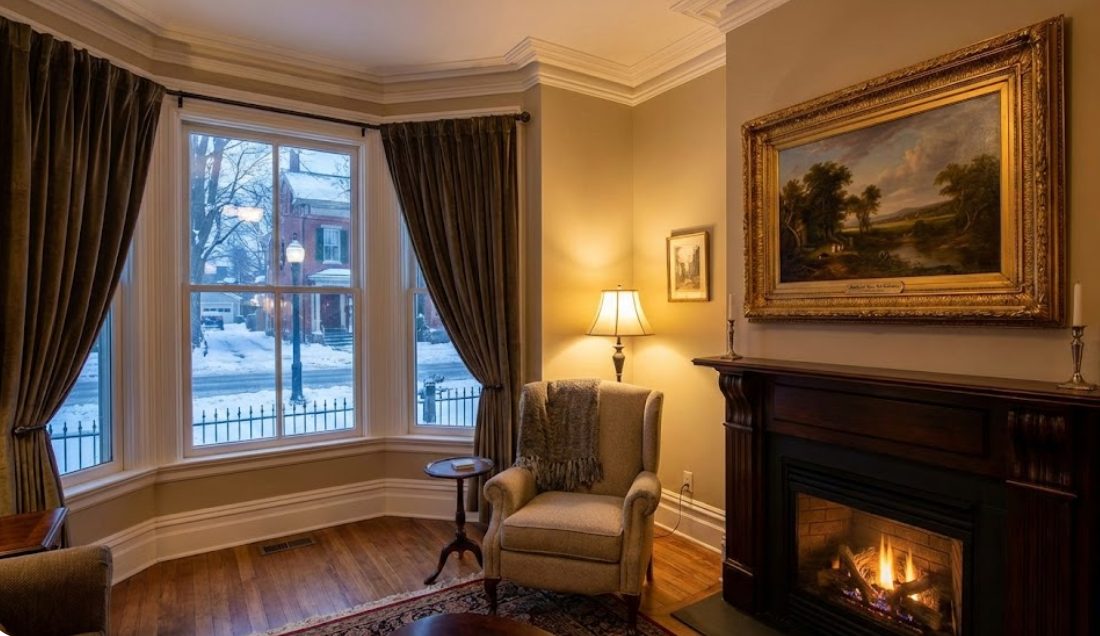
Drywall is perfectly flat and sterile. Plaster is organic. It has subtle undulations and a hand-troweled texture that catches the light differently than modern walls. It was designed to support the heavy, ornate picture rails, chair rails, and thick baseboards that are iconic of Victorian architecture.
Restoration Pro Tip: Gutting plaster changes the depth of your walls. If you replace thick plaster with thin drywall, your original window casings, door jambs, and baseboards will no longer sit flush, requiring extensive and expensive custom carpentry to fix.
Repairing Instead of Replacing
The good news is that most "ruined" plaster can be saved.
If the plaster has detached from the lath (meaning the "keys" have broken), it will bulge and sound hollow when tapped. Instead of tearing it down, you can reattach it. Using specialized plaster washers and screws, you can pull the plaster back tight against the lath. Then, inject construction adhesive to create new keys, tape the cracks with fiberglass mesh, and apply a fresh skim coat.
It takes some elbow grease and joint compound, but you will save thousands of dollars on demolition and disposal, all while keeping your home's original fabric intact.
The Bottom Line
Living in a Victorian home means acting as a steward of history. Your walls have stood for a century or more, and with a little care, they will easily outlast any modern sheetrock you put in their place.
Next time you spot a crack, don't reach for the sledgehammer. Grab a putty knife instead.