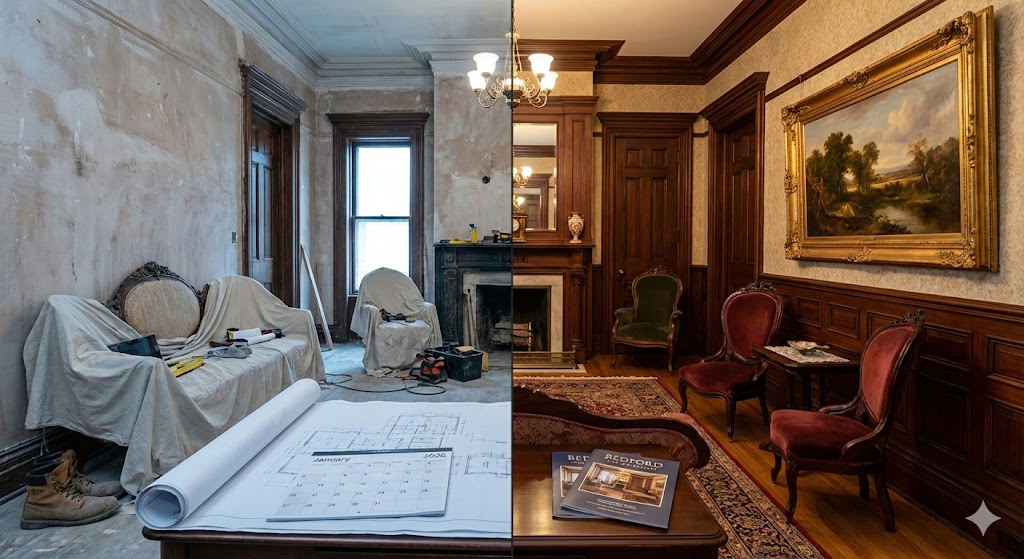
The champagne has been popped, the confetti swept away, and the fresh calendar on the wall reads 2026. For many owners of period properties, the New Year brings a renewed resolve to finally tackle the big project.
Perhaps this is the year you finally restore the fire-damaged third floor, overhaul the original conservatory, or bring the intricate exterior gingerbread back to its former glory.
There is a profound romance to Restoring Victorian houses; you aren't just renovating a structure, you are acting as a steward of history. However, as anyone who has watched a 30-minute home makeover show knows, the reality of construction rarely matches television timelines, especially when considering what you can DIY. When dealing with 150-year-old craftsmanship, specialized materials, and inevitable historic surprises, "fast" is rarely synonymous with "good."
At Victorian Home Restoration, we believe the key to a successful project isn't just skilled tradespeople—it's realistic planning. If your resolution is to approach restoring your Victorian house in 2026, the time to start planning is right now.
Here is a realistic framework for structuring a major restoration project over the coming year.
The Victorian Reality Check: Why Timelines Slip
Before diving into the calendar, it’s crucial to understand why historic restorations require more runway than modern builds.
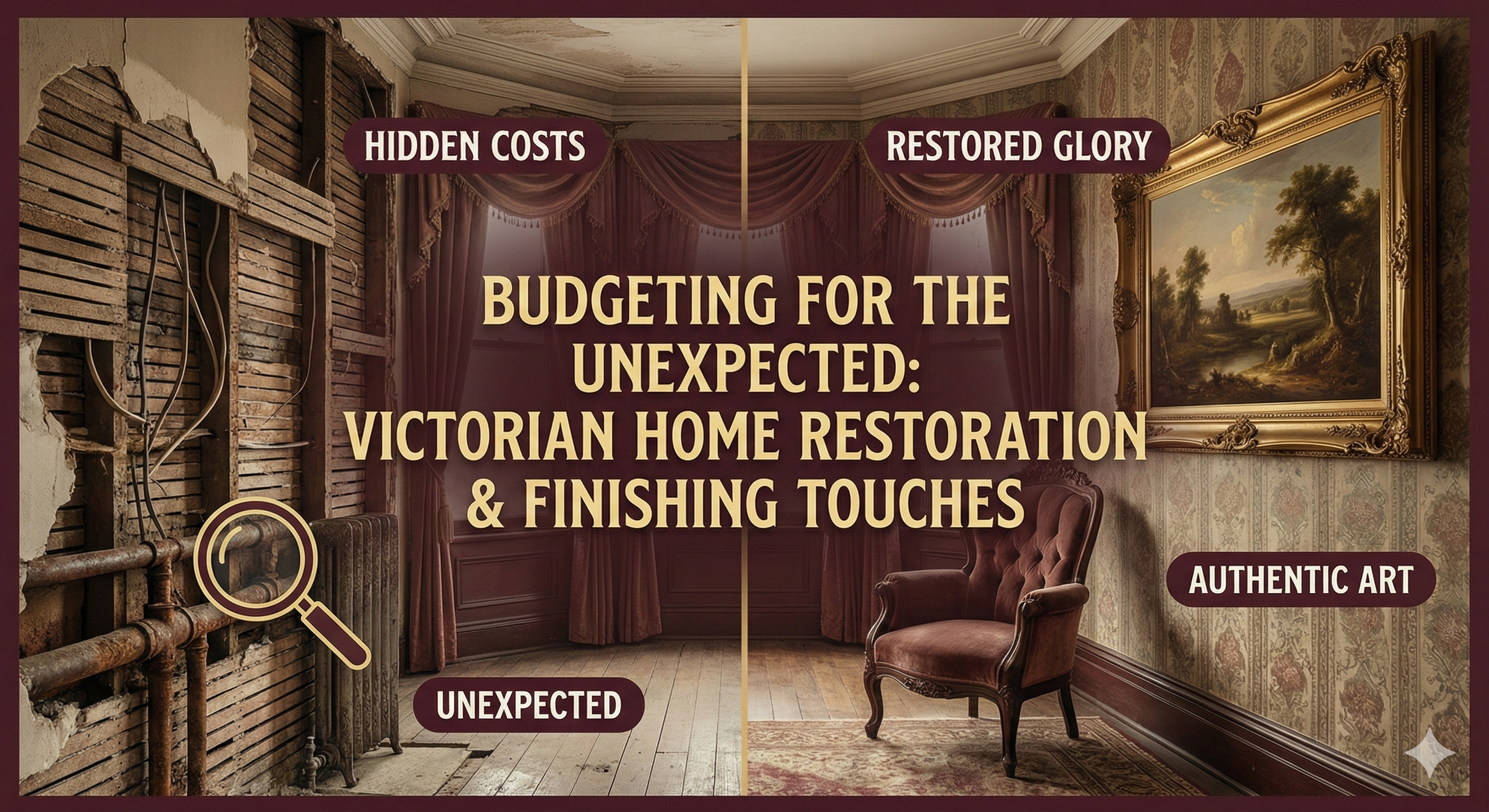
- The "Unseen": Victorian homes are notorious for hiding secrets behind their lath and plaster. Discovering outdated knob-and-tube wiring, structural rot, or previous "remuddling" efforts can halt a project for weeks while solutions are engineered.
- The Specialists: True Victorian restoration requires artisans—plasterers, specialized carpenters, stained glass experts—who are in high demand. Their schedules fill up months in advance.
- Material Sourcing: You cannot buy authentic Lincrusta wallpaper, custom-milled heart pine flooring, or era-appropriate brass hardware at a big-box store. Lead times for specialized materials can stretch from 12 to 20 weeks.
Your Quarterly 2026 Restoration Roadmap
A successful restoration marathon is run in stages. Here is a sensible approach to managing your 2026 project year.
Quarter 1 (January – March): The "Paper & People" Phase
Winter is the ideal time for the crucial, unglamorous work that happens before a hammer ever swings.
- Prioritization and Budgeting: Define the scope. What are "must-haves" vs. "nice-to-haves"? Establish a realistic budget that includes a healthy contingency fund (we recommend 20% for historic home restoration) for those inevitable surprises.
- Assembling the Team: This is the time to interview and hire your architect and specialist restoration contractor. Good contractors get booked early in the year.
- Feasibility and Surveys: Conduct structural engineering reports, historical color analysis, or environmental testing (lead/asbestos) now, so you know exactly what you are dealing with.
Quarter 2 (April – June): Permitting and Procurement
Spring is when the paperwork turns into actionable plans. This phase often feels slow to homeowners because there is little physical progress, but it is vital.
- The Permitting Process: Depending on your municipality and whether your home is in a designated historic district, permitting can take anywhere from four weeks to four months. This is often the biggest bottleneck in restoration.
- Ordering Long-Lead Materials: Once the design is finalized, order the specialty items immediately. Custom windows, milled trim, imported tiles, and specialized fixtures need to be ordered now to arrive in time for summer installation.
Quarter 3 (July – September): The Heavy Lifting
Summer provides the best weather for major work, particularly exterior restoration.
- Demolition and Discovery: The messy part. Walls are opened, and the "surprises" are revealed and addressed.
- Systems and Structure: Updating electrical, plumbing, and HVAC systems, and reinforcing structural beams.
- Exterior Works: Roofing, siding repair, paint removal, and porch restoration should happen during these drier, longer days.
Quarter 4 (October – December): The Art of Finishing
As the year winds down, the house begins to resemble a home again. The focus shifts from structure to aesthetics.
- Interior Finishes: Plaster repair, millwork installation, flooring restoration, and painting.
- The Punch List: The tedious but necessary process of identifying and fixing small imperfections before the project is deemed complete.
- Moving Back In: The long-awaited moment of reclaiming your space just in time for the holidays.
The Final Touch: Giving Your Restoration Soul
By the end of 2026, if all goes according to plan, you will have restored the bones of your Victorian home. The plaster will be smooth, the woodwork gleaming, and the period colors perfectly applied.
But a restored house is just a beautiful shell until it is furnished and decorated, which is where blending modern comfort with historic preservation becomes essential.
Nothing jars the senses quite like walking into a painstakingly restored 1885 Queen Anne parlor, only to see mass-produced, modern generic art hanging above the mantle. To truly honor the craftsmanship of your home, the decor should speak the same language as the architecture.
This is where our sister company, Bedford Fine Art Gallery, becomes an essential resource for the discerning Victorian homeowner.
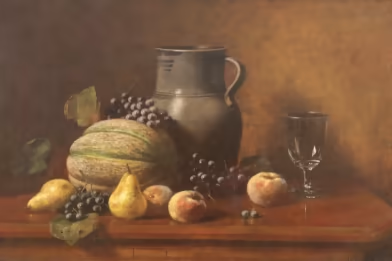
Specializing in authentic 19th-century and early 20th-century fine art, Bedford Fine Art Gallery offers curated pieces that were painted during the exact era your home was built. Whether you are looking for a moody Hudson River School landscape to anchor your library, or a vibrant Victorian floral still life for the dining room, these original works provide the authenticity and patina that new art simply cannot replicate.
Installing a genuine period oil painting is the ultimate finishing touch—it is the soul that makes a restored room feel complete, sophisticated, and historically grounded.
Start Your Journey Today
A year sounds like a long time, but in the world of Victorian restoration, it passes in the blink of an eye. If you want to be celebrating the holidays in a newly restored home in December 2026, the conversation needs to start today.