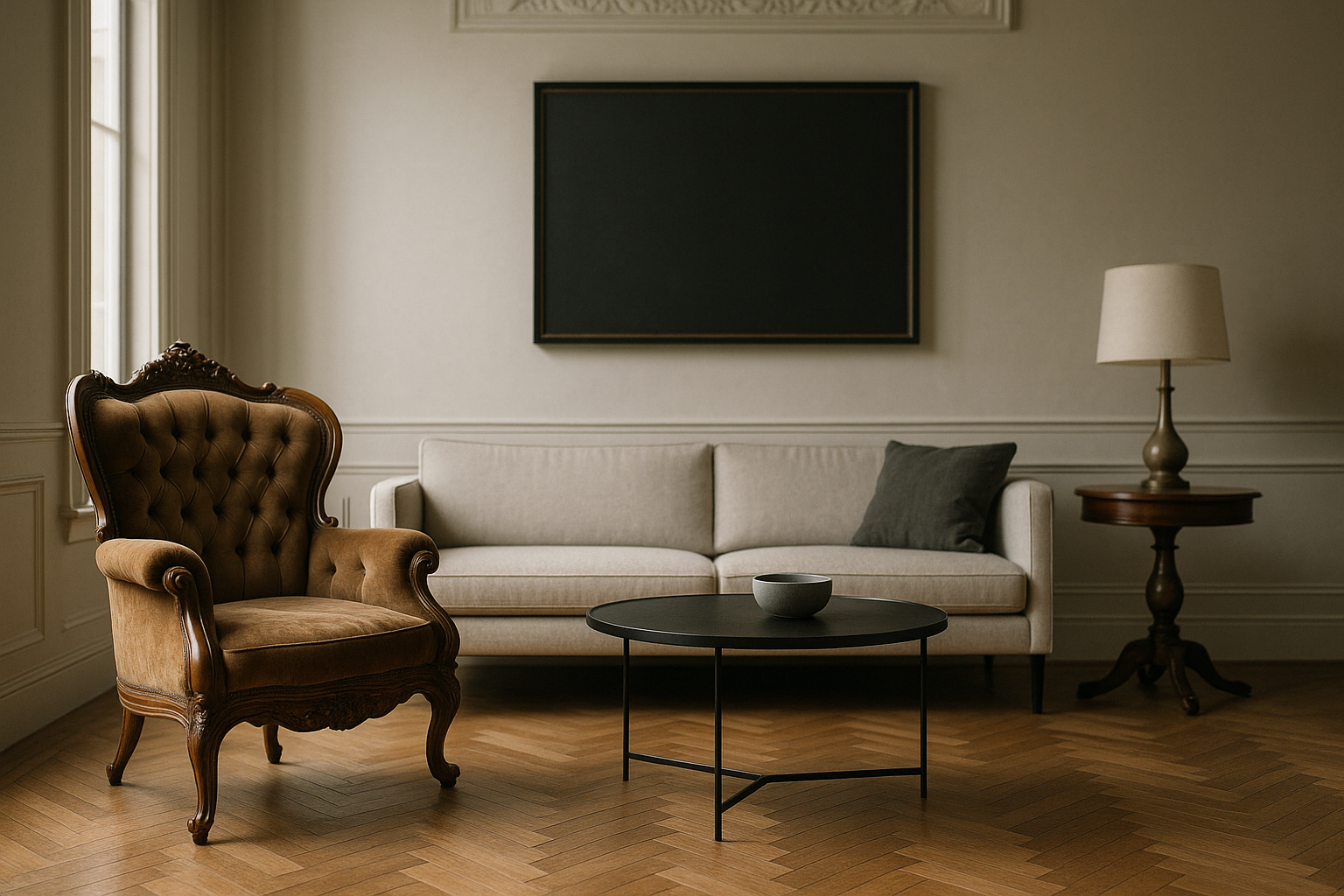
Mixing Victorian Furniture with Contemporary Pieces – Dos and Don’ts
Mixing Victorian furniture with contemporary pieces can create a unique, stylish, and sophisticated home interior, especially when you know how to combine Victorian decor. Victorian furniture, known for its intricate carvings, rich woods, and opulent fabrics, brings a sense of history and luxury, which is why Victorian furniture stands the test of time. Contemporary pieces, on the other hand, offer clean lines, minimalism, and modern functionality. When combined thoughtfully, they can complement each other beautifully, creating a space that feels curated rather than chaotic.
However, this blend isn’t always easy. Without careful consideration, your space can look mismatched or cluttered. Here’s a guide to the dos and don’ts of mixing Victorian furniture with contemporary pieces.
Dos: How to Mix Victorian and Contemporary Furniture Successfully
1. Start with a Neutral Base
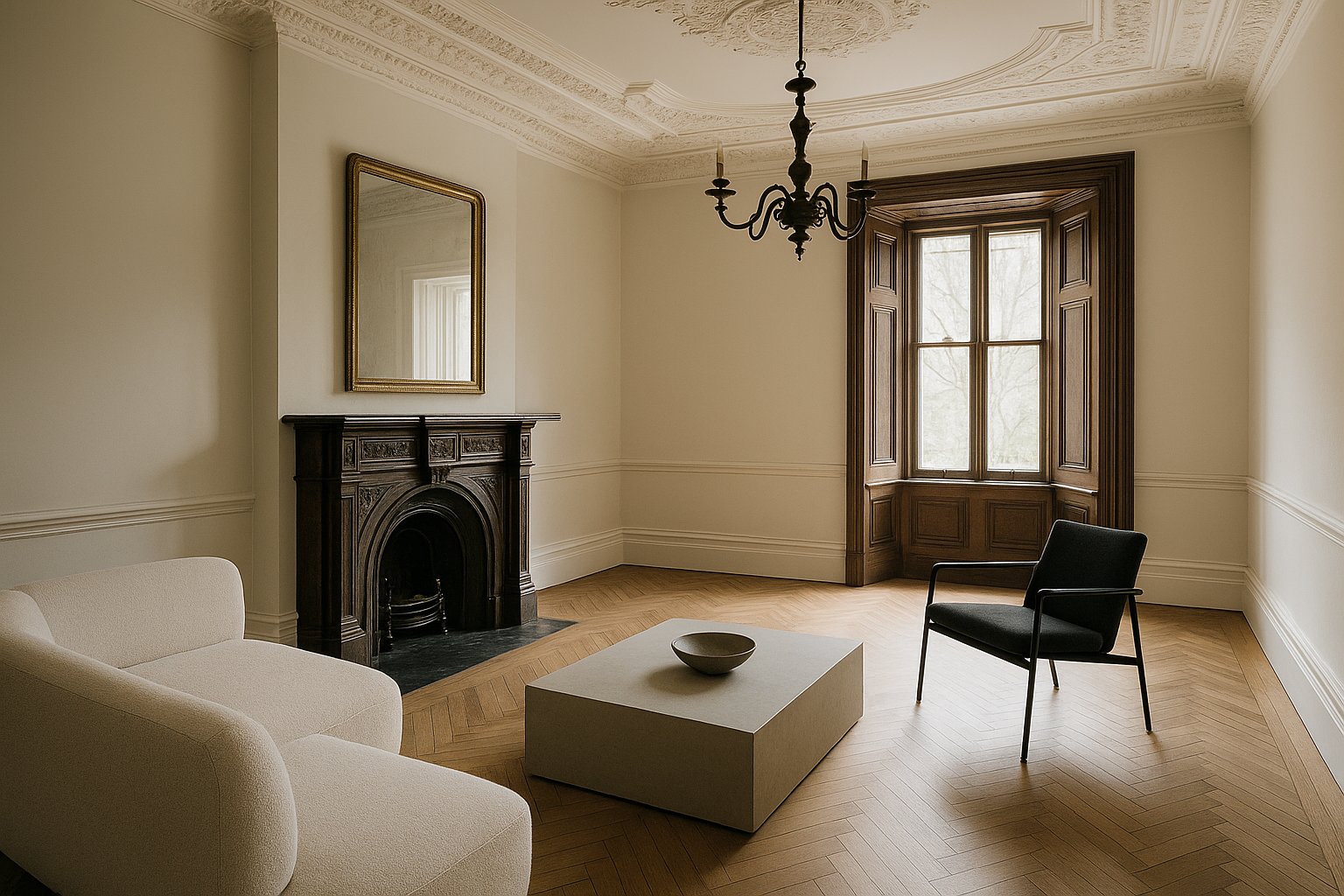
Use neutral colors on your walls and floors as a backdrop. Whites, beiges, or soft grays allow both Victorian and modern pieces to shine without clashing. A neutral base also prevents the room from feeling overwhelming, especially when introducing ornate Victorian pieces.
2. Create Focal Points
Let one piece, such as a Victorian armchair or an antique cabinet, act as the centerpiece. Surround it with contemporary furniture that complements its color or shape. Focal points anchor the room and make the eclectic mix feel intentional.
3. Mix Materials Thoughtfully
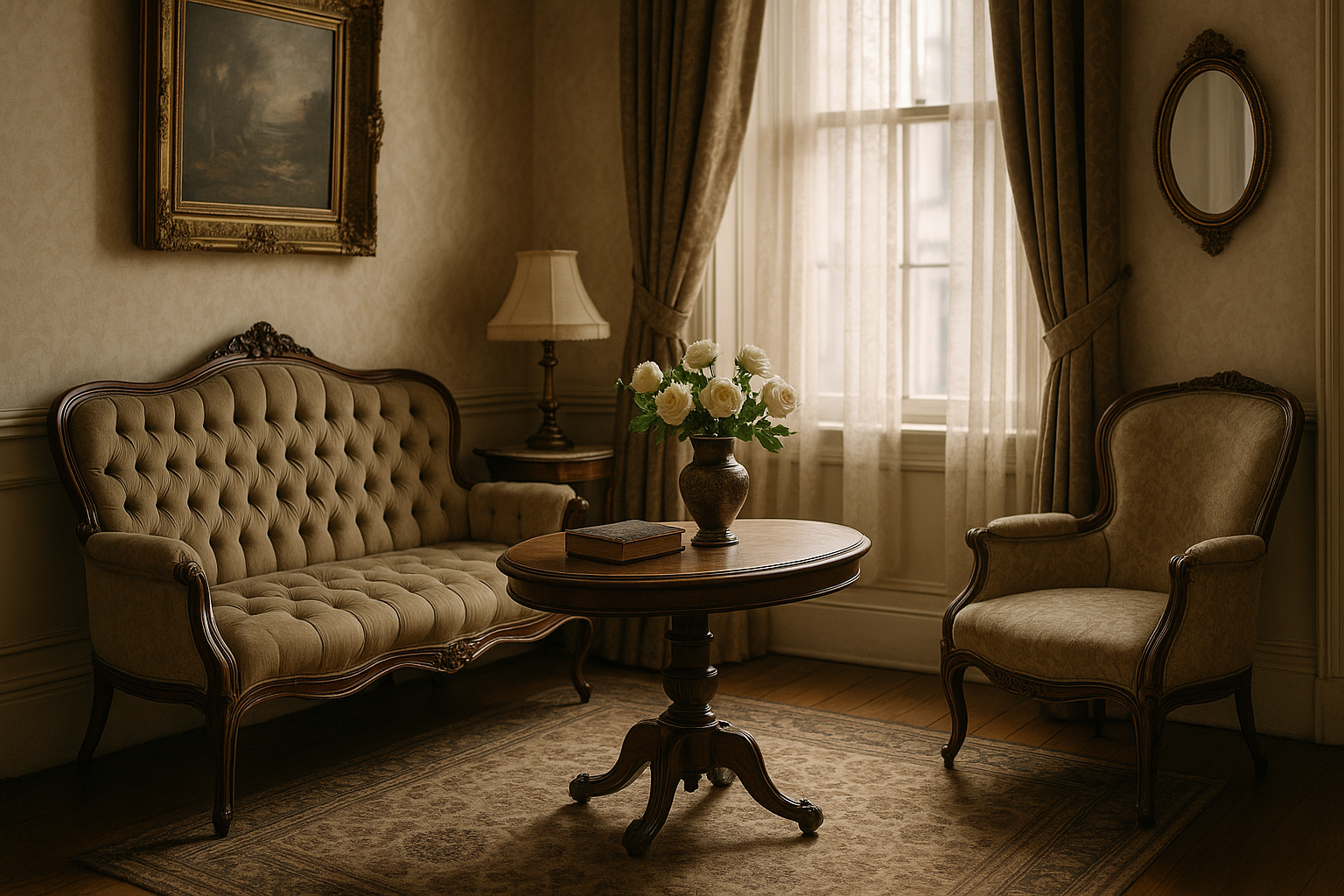
Victorian furniture often features rich woods and luxurious fabrics. Balance these with contemporary materials like glass, metal, or sleek lacquer finishes. For example, pair a velvet Victorian sofa with a glass coffee table for contrast and harmony.
4. Maintain Proportions
Victorian furniture is typically bulky and elaborate, whereas contemporary furniture is sleek and minimal. Ensure your pieces are proportionate to the room and to each other. Oversized Victorian chairs can overwhelm a small contemporary sofa, so balance size and scale carefully, especially if you're considering small-space Victorian decor.
5. Blend Colors Strategically
Incorporate complementary colors to tie the two styles together. If your Victorian pieces are deep mahogany, introduce contemporary furniture in muted or matching tones. Accessories like throw pillows, rugs, or curtains can also bridge the gap between styles.
Don’ts: Avoid These Common Mistakes
1. Don’t Overcrowd the Space
Victorian furniture is visually heavy, so avoid cluttering the room with too many ornate pieces. Let your contemporary furniture provide breathing room. Minimalism in contemporary pieces can offset the opulence of Victorian designs.
2. Don’t Ignore Style Contrast
Avoid mixing pieces that clash excessively. For instance, pairing an ultra-modern acrylic chair with a heavily carved Victorian armchair can feel jarring. Look for balance in shape, color, and material to maintain harmony.
3. Don’t Forget Functionality
While Victorian furniture is beautiful, it’s often less practical than contemporary designs. Ensure that your space remains functional by choosing contemporary pieces that provide comfort and usability alongside decorative Victorian items.
4. Don’t Neglect Lighting
Victorian furniture thrives under soft, warm lighting, while contemporary spaces often use brighter, cooler tones. Combine lighting styles carefully—use statement lamps or chandeliers to highlight Victorian pieces while keeping overall lighting functional and modern.
Tips for a Cohesive Look
- Mix Patterns with Care: Victorian patterns are often bold and intricate, highlighting the role of pattern and texture in creating a cohesive design. Pair them with subtle contemporary textures for balance.
- Use Art as a Bridge: Modern art can tie together historical and contemporary furniture by introducing color, pattern, or theme.
- Start Small: If unsure, start by mixing a single Victorian piece into a contemporary room and gradually expand.
Conclusion
Mixing Victorian furniture with contemporary pieces is an art, and you can find more inspiration in our home decor ideas for historic homes. By following these dos and don’ts, you can create a home that feels elegant, timeless, and uniquely yours. Remember to balance color, scale, and materials, and your space will showcase the best of both worlds.