Luxurious Fabrics in Victorian Style: Velvet, Brocade, & Silk
The Victorian era, spanning from 1837 to 1901 under Queen Victoria’s reign, was a time of elegance, opulence, and social sophistication. This was especially evident in the fashion and interior design of the period, where fabrics played a major role in expressing wealth, status, and artistic taste. Among the most iconic materials of this time were velvet, brocade, and silk—each synonymous with luxury and refinement.
In this article, we’ll explore the characteristics, uses, and timeless appeal of these three sumptuous Victorian fabrics.
Velvet: The Fabric of Royalty
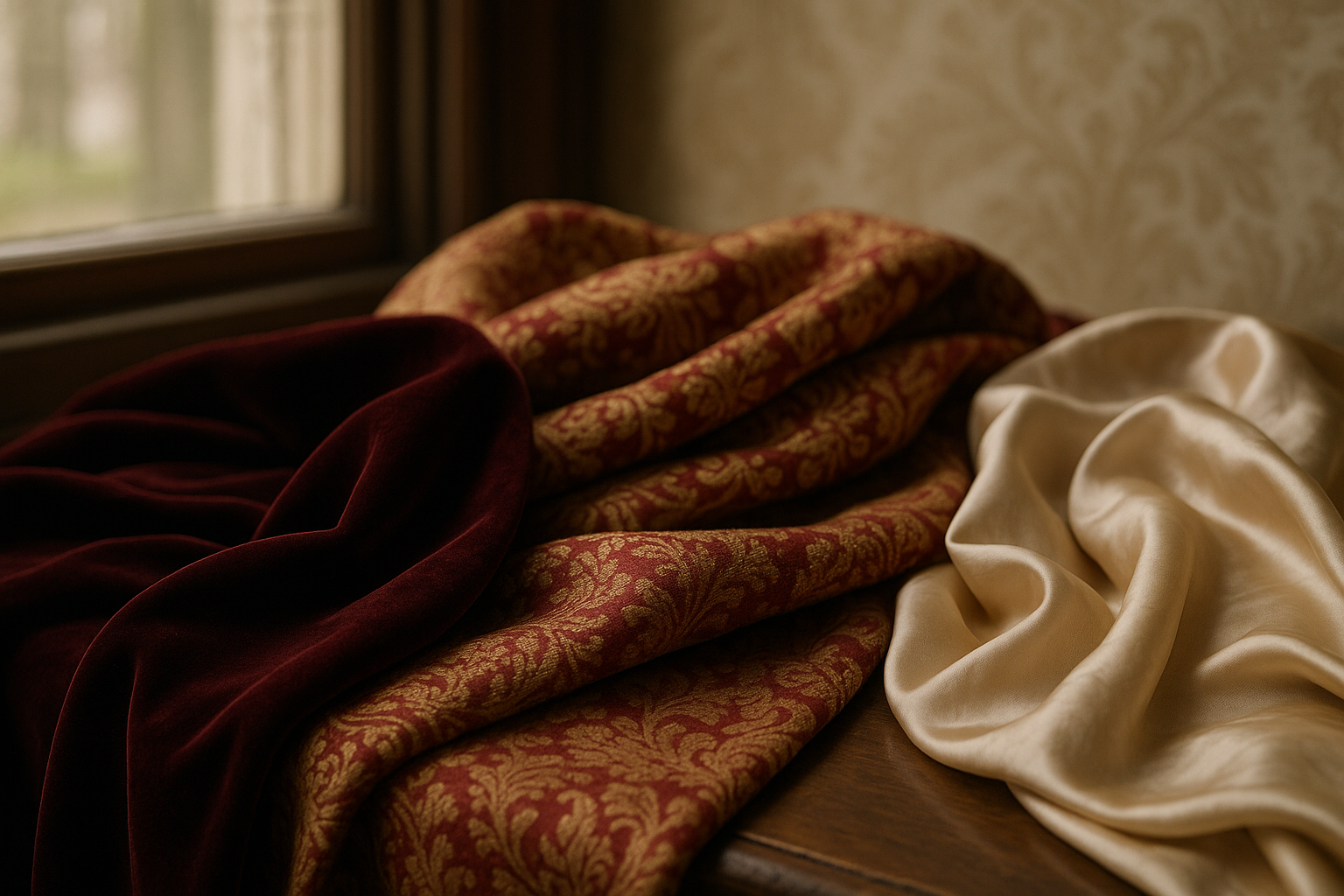
Velvet has long been associated with nobility, but in the Victorian era, it reached new heights of popularity. Known for its soft, plush texture and rich depth of color, velvet was used in both fashion and home décor. Victorian gowns crafted in velvet often featured dramatic silhouettes, high necklines, and intricate trimmings, making them perfect for evening wear and formal events.
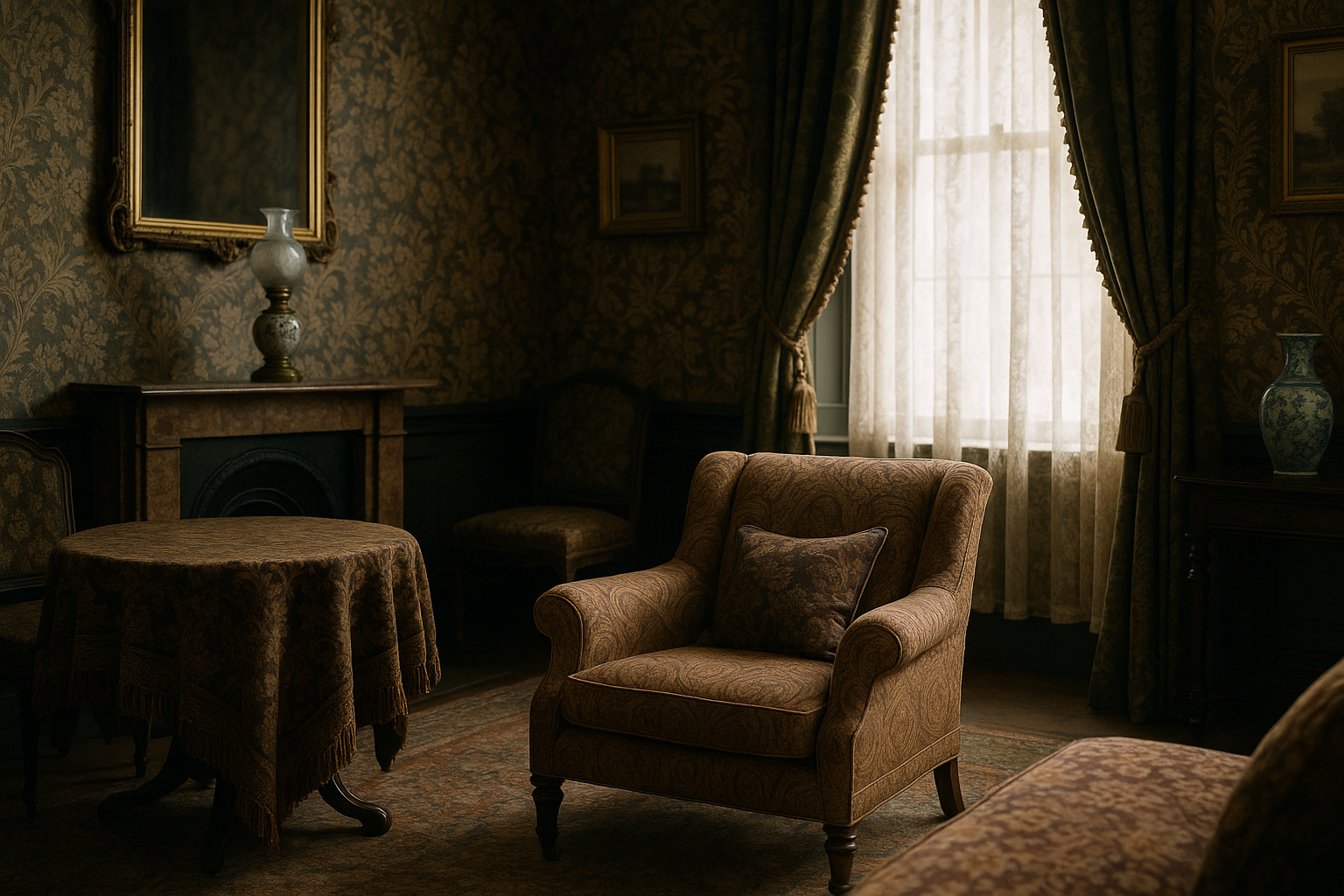
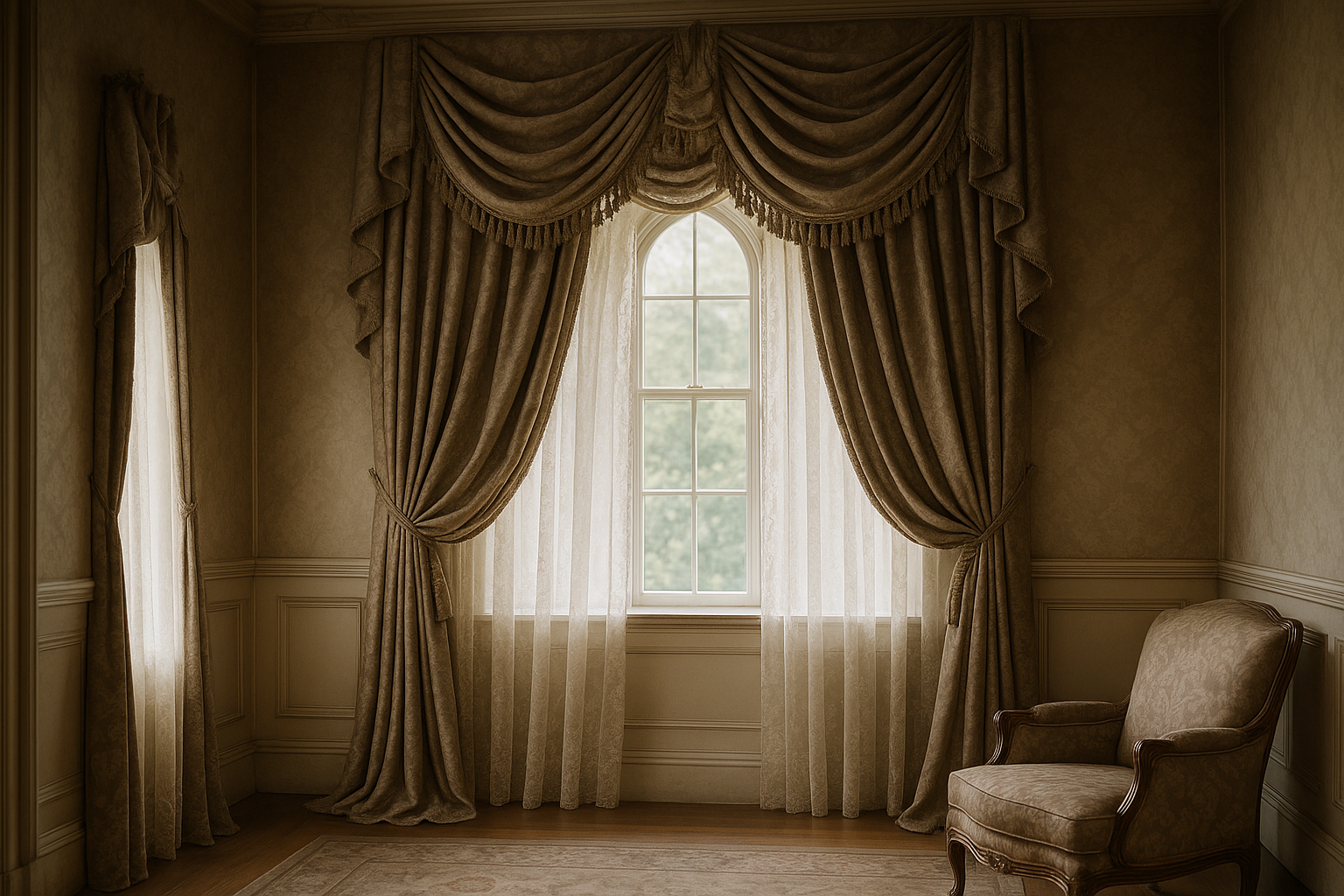
In interior design, velvet draped lavishly over curtains, upholstery, and cushions, often complemented by Victorian window treatments. Deep jewel tones like burgundy, emerald, and navy were especially favored, offering a sense of richness and warmth in parlors and drawing rooms.
Key Features of Victorian Velvet:
- Deep, luxurious pile
- Rich, saturated colors
- Often combined with lace, fringe, or embroidery
- Common in outerwear, ballgowns, and home accents
Brocade: Woven Elegance and Intricacy
Brocade was another staple of Victorian luxury, celebrated for its elaborate, woven patterns often incorporating metallic threads. This fabric is characterized by its raised design, which mimics embroidery but is actually woven into the fabric itself. Popular brocade motifs included florals, vines, and damask patterns, reflecting the era’s love for nature and ornamentation.
Victorian fashion embraced brocade in both men’s and women’s clothing. Waistcoats, jackets, bodices, and skirts were often made of or adorned with brocade to add a sense of stately grandeur. It also found a home in interior design, especially in wallpapers, curtains, and wall coverings in grand estates.
Why Brocade Stood Out in the Victorian Era:
- Intricate, often metallic woven patterns
- Heavy and durable fabric ideal for structured garments
- Luxurious appearance without requiring additional embellishment
- A favorite for formalwear and upholstery alike
Silk: Timeless Sophistication and Grace
No fabric captured the elegance of the Victorian woman quite like silk. Smooth, lightweight, and lustrous, silk was the fabric of choice for everything from day dresses to bridal gowns and undergarments. Its natural sheen made it ideal for reflecting candlelight at evening events, enhancing the wearer’s allure.
Victorian silks came in a variety of types—taffeta, satin, organza, and charmeuse, each serving different stylistic and functional purposes. Silk was also highly valued in accessories like gloves, handkerchiefs, and parasols.
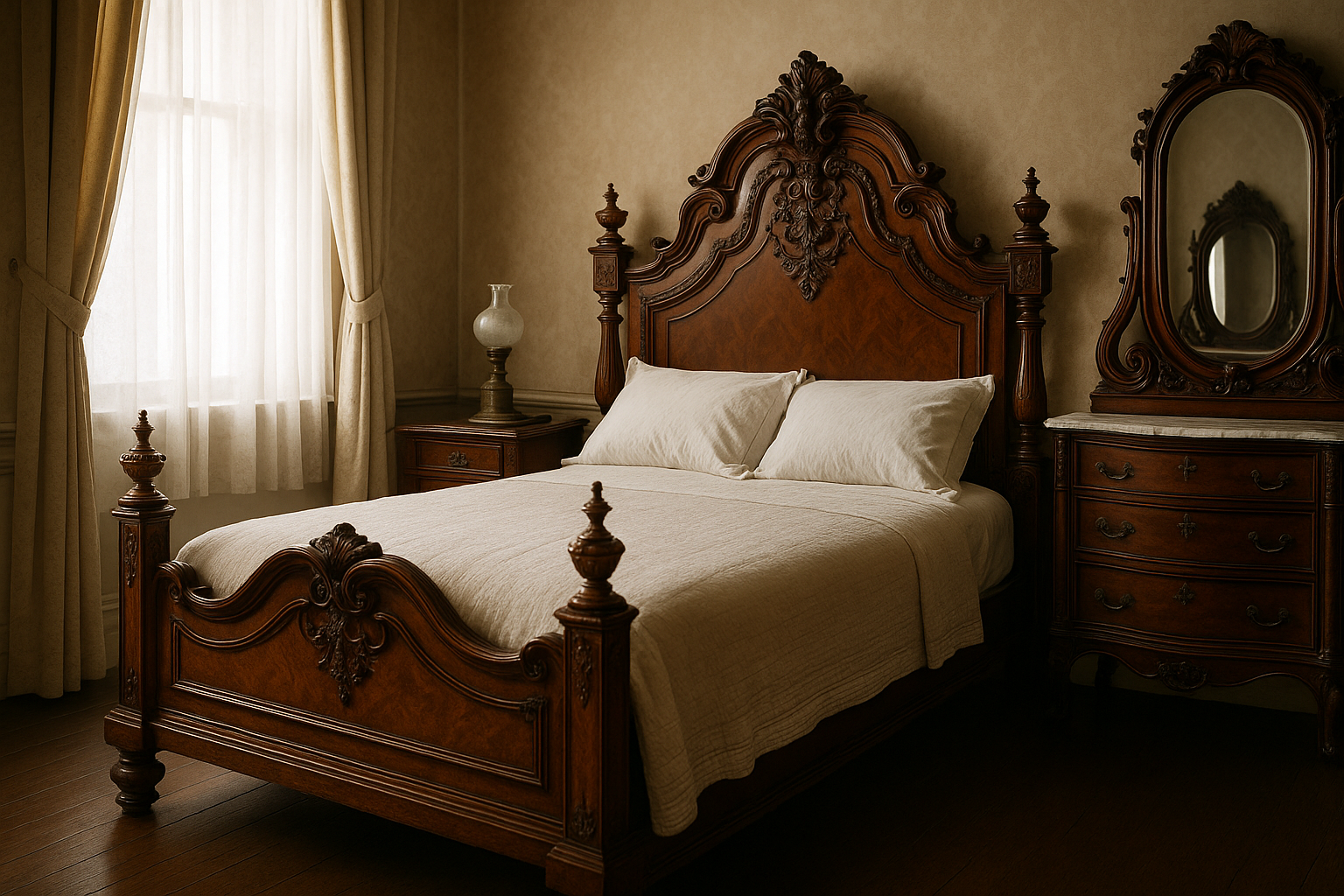
In the home, silk appeared in wallpapers, draperies, and bedding, often paired with tassels and lace to heighten the sense of indulgence.
Silk’s Role in Victorian Fashion and Design:
- Lightweight yet strong
- Elegant drape and lustrous finish
- Used in both casual and ceremonial attire
- Enhanced the opulence of Victorian interiors
Combining Fabrics for Maximum Elegance
What made Victorian style so enduringly luxurious was not just the individual fabrics, but how they were layered and combined, incorporating pattern and texture. A velvet cloak lined with silk, or a brocade bodice paired with a silk skirt, spoke volumes about a person’s taste and social standing. Interiors followed the same principle, mixing textures and textiles to create a multisensory experience of richness.
Pro Tip for Modern Victorian Styling:
If you’re looking to incorporate Victorian luxury into your modern wardrobe or home décor, consider mixing these fabrics in subtle ways, and check out our decorating ideas for your Victorian home. A velvet cushion on a silk-upholstered chair or a brocade accent in a tailored coat adds depth and historical flair without overwhelming your aesthetic.
Final Thoughts
Velvet, brocade, and silk are more than just beautiful fabrics—they're historical symbols of luxury, elegance, and the cultural richness of the Victorian age. Whether you're a history enthusiast, interior designer, or fashion lover, incorporating these timeless textiles into your style can add a touch of old-world sophistication and charm.
Ready to bring Victorian luxury into your life? Start with texture. Let the fabrics tell the story.